Don't buy a rabbit in a poke: How to choose a cordless screwdriver that won't let you down at work?
A cordless screwdriver is a basic piece of equipment in every household today. However, the difference between what you buy in a hobby shop and what professionals use on construction sites is only noticeable when you get to work.

Almost any machine can hang a picture. Building a gazebo, a terrace or installing drywall all day without a break? That's where the truth comes out.
A screwdriver will either speed you up… or slow you down with every screw.
Buy or rent? The question that will save you hundreds of euros
At the beginning, you need to ask yourself a simple question: How often will I use it?
For small jobs around the apartment, it makes sense to buy one. Even a lighter model without high power can handle the occasional assembly of a shelf or cabinet.
However, if you have a larger project ahead of you, the situation changes. Building a terrace, installing structures or drywall means hundreds to thousands of screws. Then it's not about comfort anymore, but about performance and durability.
And it is in this case that renting makes the most sense.
You get professional tools without having to invest hundreds of euros in something you'll use once a year.
What type of screwdriver do you actually need?
Not everyone needs the most powerful tool. The difference is what kind of work you plan to do.
For everyday DIY, a lighter screwdriver with a lower voltage and a smaller battery is sufficient. It is compact, lightweight and ideal for simple tasks.
If you move outdoors or start doing larger projects, you need a more powerful machine. It can handle harder wood, longer screws, and can handle more work without stopping.
And if you work regularly or tackle demanding projects, only the professional category makes sense – powerful machines with high battery capacity, a brushless motor, and stable performance.
Simply put: the more demanding the work, the higher the demands on the tools.
Torque: the number that matters
Most people pay attention to the battery voltage. 12V, 18V, 20V… it sounds good, but it’s not the most important thing.
The real indicator of performance is torque – the force with which the screwdriver tightens the screw.
● lower torque (approx. 10 – 30 Nm) handles furniture, shelf assembly and delicate interior work
● medium torque (approx. 30 - 60 Nm) is suitable for common home renovations and woodworking
● higher torque (approx. 60 – 120 Nm and more) can handle structures, terraces, gazebos or harder material
When choosing, focus mainly on Nm, not just the number of volts. It is better to have a power reserve than to struggle at the limit of the tool's capabilities.
Battery: when the power runs out, the work stops
The battery is something most people underestimate – until they start working. And that’s when they discover that a screwdriver’s performance isn’t just about power, it’s also about endurance.
For regular DIY work around the house, a lighter model with a smaller battery – up to approximately 10.8 V and a capacity of around 2 Ah – will suffice. Such a screwdriver is compact, lightweight and perfectly adequate for small jobs.
However, if you move to the garden or take on larger jobs, the demands increase. This is where more powerful machines with a voltage of around 18 V and a battery capacity of around 2 to 5 Ah come in. They can handle more work without you having to constantly worry about recharging.
For more frequent use or more demanding projects, it is ideal to reach for a professional solution - a combination of an 18V screwdriver, a higher capacity battery (3 to 5 Ah) and a brushless motor. Such a machine maintains stable performance, does not overheat and can handle longer work deployments.
The problem with cheaper solutions is that a small battery means:
● more frequent recharging
● power fluctuations
● overheating under load
What was supposed to take an hour stretches into the entire afternoon.
That's why you get powerful batteries with sufficient capacity at the rental shop, often with a spare battery. This way you can work smoothly, without breaks and without the tool holding you back.
Brushless motor: a difference you'll feel right away
It may sound like a detail, but in practice it makes a big difference.
Brushless motors are more efficient, run cooler, and last longer. They also provide more consistent performance throughout the entire work period.
Result?
● fewer breaks
● less overheating
● more work done in less time
You will feel this difference after just a few minutes of use.
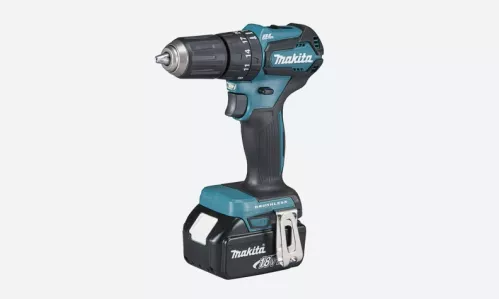
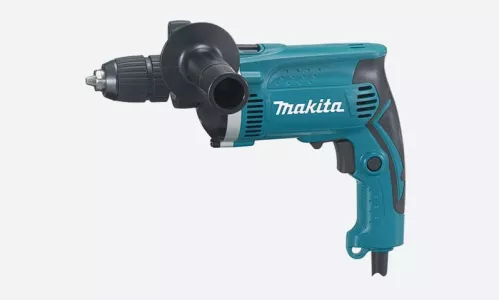
Screwdriver or impact drill?
We mentioned “home improvement” several times in the article, and this is where one of the most common mistakes occurs. Many people think of it as everything from assembling furniture to drilling into walls – and automatically reach for one tool for everything.
However, in reality, these are two different activities.
During normal household chores – when assembling furniture, cabinets, shelves or various structures – you work with a screwdriver. A screwdriver is designed for screwing and light drilling. It is precise and convenient for working with wood or metal. It allows you to tighten screws without damaging the material and without unnecessary effort.
However, once you have the cabinet assembled and want to mount it to the wall , the situation changes. This is no longer about screwing into the material, but instead you need a machine for hard materials such as concrete, brick or masonry. And for that you need a hammer drill.
You can't screw the cabinet in comfortably and accurately with a drill - it's unnecessarily rough and difficult to manipulate when working with details. And you can't easily make a hole in concrete with a screwdriver.
Freedom without cables: an advantage you'll quickly get used to
In new buildings, in the garden or on the roof, you often don't have electricity where you need it.
Cordless tools give you the freedom to:
● you work anywhere
● you are not limited by cables
● you don't waste time looking for a socket
It's a convenience that will very quickly become the standard.
Rental: the path to professional performance without large investments
A quality cordless screwdriver isn't cheap. And if you don't use it regularly, there's not much point in buying it.
Renting allows you to:
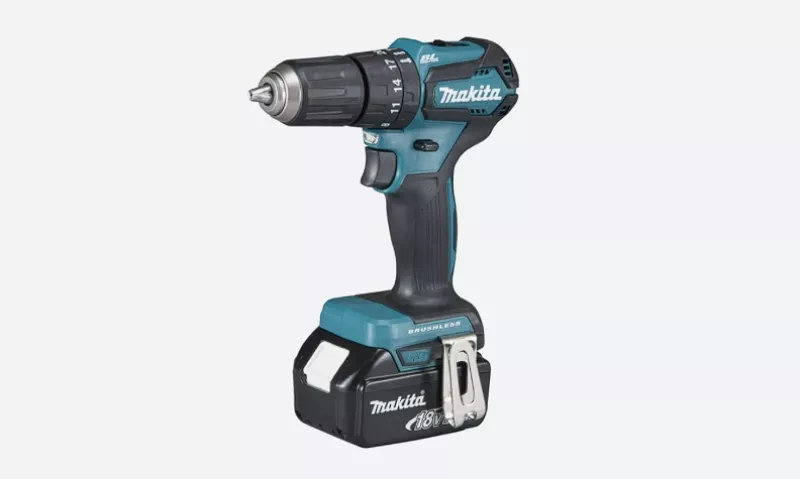
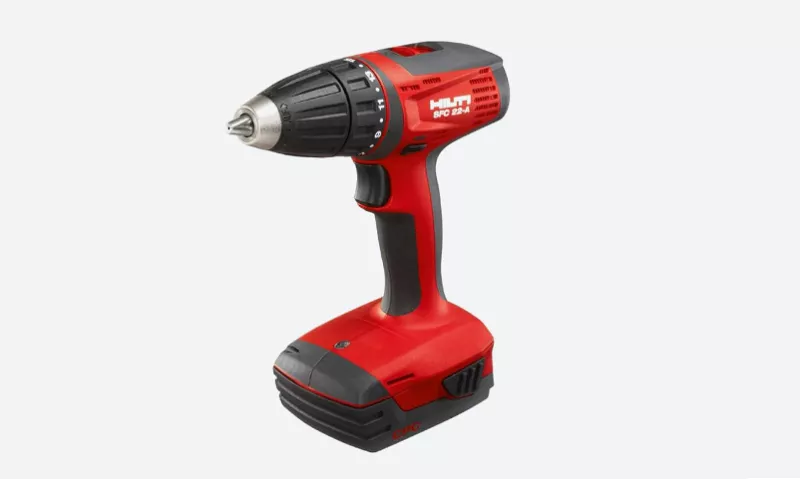
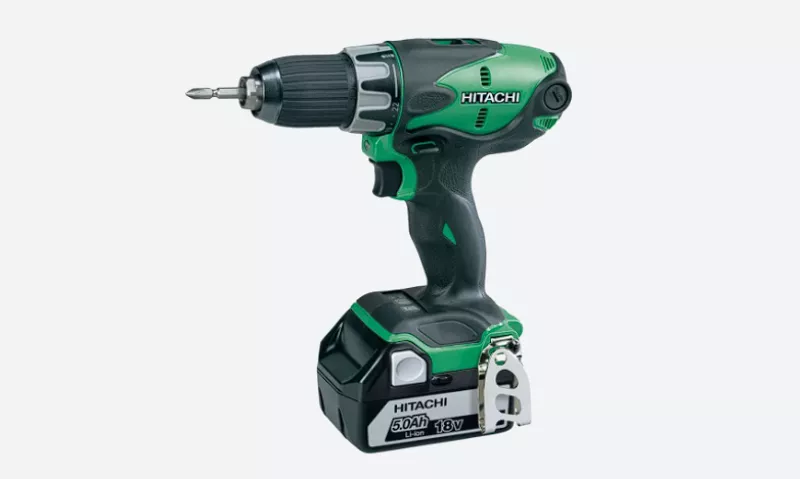
● work with brands like Hilti, Makita or Hitachi
● have professional parameters available
● choose the right tool for the job
● don't have to worry about service
● pay only for the time you actually need the tools.
Choose by work, not by price
A cordless screwdriver is not a universal thing. Every project has different requirements and the choice of tool should correspond to this.
A simpler model will suffice for small jobs, but for serious work you need power, durability, and reliability.
And in this case, it pays to reach for a professional solution. At Ramirente , you can rent screwdrivers that work quickly, last all day, and won't tire you out even during extended work.