Autumn garden cleaning: 5 machines that save time
After pruning trees and shrubs in the fall, several hundred kilograms of branches and leaves can remain on the property. Manual processing of such a large amount of waste often takes more days than the pruning itself. However, autumn garden cleaning can be significantly faster if you choose the right technique. See which machines will save you time, effort and money.

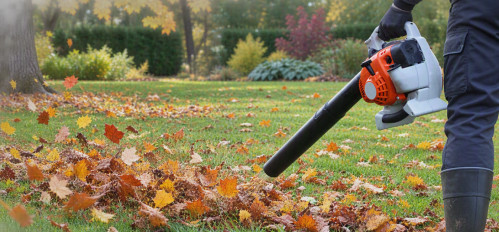
In recent years, with longer periods of heat and drought, more and more homeowners are planting trees in their gardens. They provide natural shade, help retain moisture in the soil, and protect the lawn from drying out during the summer. However, full-grown trees present a new challenge in the fall, in the form of more fallen leaves.
Colorful leaves are undoubtedly one of the most beautiful symbols of autumn and can create a pleasant atmosphere in any garden. However, they are not welcome everywhere. While they can serve as a natural protective layer in ornamental beds or under trees, on lawns, sidewalks or terraces they can cause more problems than good. Wet leaves prevent light and air from reaching the lawn, increase the risk of mold and can be dangerously slippery on paved surfaces.
Autumn garden cleaning is therefore not just a matter of aesthetics. Timely collection of leaves and processing of biological waste help keep the garden healthy and ready for the next season. This is where the right technique can save dozens of hours of work and significantly simplify the entire autumn maintenance.
What is included in autumn garden maintenance?
Many homeowners think of autumn chores as raking leaves. In reality, it is a series of tasks that determine the state of the garden when it wakes up in the spring. In addition to collecting leaves, you also need to trim hedges, process tree pruning residues, prepare compost, mow the lawn and remove fallen branches.
This is why autumn garden cleaning is often spread over several weekends. However, if you use the right technique, most of the work can be done in one or two days.
Autumn garden maintenance is not just a matter of aesthetics. Unprocessed biological waste can create damp spots, promote the spread of mold and complicate the preparation of the garden for winter. Therefore, the right technique means not only greater comfort, but also more efficient care of the plot.
For larger plots of land, it pays to combine multiple machines. A blower will speed up leaf collection, hedge trimmers will provide the final trim to hedges, and other equipment will help process wood waste after autumn pruning.
Blowers or rakes? It depends on the size of the plot
There is no universal answer to the question of whether to choose a leaf rake or a garden blower . For a small garden, hand raking may be sufficient. However, if you maintain a larger plot with mature trees, mechanization can significantly speed up the work.
Modern cordless blowers create an air flow of up to 48 m/s. This allows you to quickly collect leaves into piles ready for collection or composting. The advantage of the cordless drive is low noise, zero local emissions and easy handling without cables.
Imagine a garden of approximately 1,200 m² with several older maple trees. After a windy weekend, the entire lawn may be covered in leaves. While hand raking takes most of the day, with a quality blower you can collect the leaves in one place in a few dozen minutes.
Collected leaves don't have to end up in the trash. By composting, you get natural organic fertilizer that you can use next season when growing vegetables, flowers or ornamental shrubs.
Beware of walnut leaves
If you have walnut trees on your property, you shouldn't put off autumn cleaning. Walnut leaves contain substances that can negatively affect the growth of some plants. An even bigger problem, however, is the thick layer of wet leaves that remains on the lawn during the winter.
Such a layer restricts the access of light and air to the growth. The result may be damaged, thinned or rotten areas that will require replanting and regeneration in the spring.
How to compost leaves properly
Not all leaves have to end up in the yard or in the organic waste. Most leaves from fruit and ornamental trees are suitable for composting and after a few months will turn into high-quality organic matter that you can use in your flower beds or when growing vegetables.
For best results, don't compost leaves on their own. Mix them with grass clippings, small twigs, or kitchen waste. This creates a balanced mixture rich in both carbon and nitrogen that decomposes much faster.
Also pay attention to leaves affected by fungal diseases or pests. It is recommended to remove such material from the compost to prevent problems from returning to the garden. Walnut leaves are also a special case. Smaller amounts can be added to the compost gradually and mixed with other biological material, but they should not form the bulk of it.
Trimming hedges will help prepare them for winter
Autumn work doesn't end with collecting leaves. Before the first frost, it's worth trimming hedges and removing overgrown or damaged shoots.
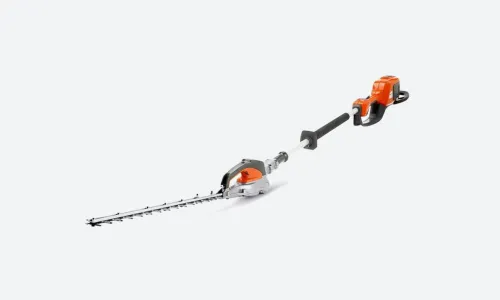
Cordless hedge trimmers allow for clean and precise cuts without the need for electrical cables. The advantage of the cordless drive is freedom of movement throughout the garden. Thanks to a reach of up to approximately 3.5 meters, you can comfortably trim even taller plants without the need for a ladder.
Regularly maintained hedges are better able to withstand winter conditions and grow thicker in the spring. Autumn pruning also improves the aesthetic appearance of the entire garden during the winter months.
Don't forget the last mowing and lawn care
Many people put the lawn mower away after the summer. However, the lawn usually grows until the daytime temperatures drop below around 5 to 8°C for a long time. The last mowing is therefore often done in October or the first half of November, depending on the weather in the region.
Grass that is too high can lie down during the winter and create conditions for mold to grow. On the other hand, a lawn that is cut too low is more sensitive to frost. The ideal height before winter is approximately 4 to 5 centimeters.
After the last mowing, it is also worth carrying out a basic lawn regeneration. Autumn fertilizers contain less nitrogen and more potassium, which supports the resistance of the root system during the winter months.
If sparse areas appear on your lawn after the summer, a suitable solution is to re-sow grass seed. The autumn period offers plenty of natural moisture and favorable temperatures that support the rooting of new growth.
What to do with branches after autumn tree pruning
After pruning fruit trees and ornamental shrubs, a large number of branches remain. Most often, they end up in a pile in a corner of the garden or in a biological waste container. However, there is a more efficient way to deal with them.
Branch shredders and wood chippers can significantly reduce the volume of wood waste. The resulting branch chips are suitable as mulch in flower beds, under trees or on garden paths. They help retain moisture in the soil and at the same time reduce weed growth.
Which machine is suitable for specific autumn tasks?
The following overview will help you quickly find out which tools are most suitable for garden cleaning depending on the type of work.
| Garden task | Recommended technique | When to use it |
| Collection of fallen leaves | Blower | September to November |
| Hedge trimming | Hedge trimmers | August to October |
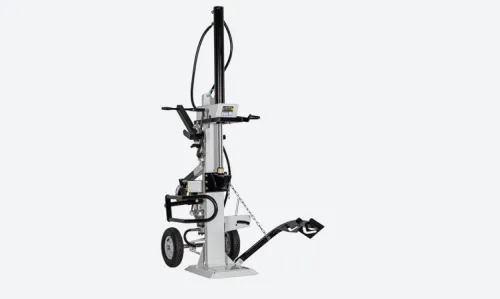
| Firewood preparation | Wood splitting machine | September to November |
| Processing branches after pruning | Crusher or chipper | After every major mowing |
| Last mowing of the lawn | Lawn mower | October to November |
| Compost preparation | Blower and garden tools | Throughout the autumn season |
Renting equipment for autumn garden maintenance through Ramirent - how it works
The biggest challenge in autumn garden maintenance is often timing. Leaves only fall for a few weeks, hedges are cut at a specific time and the wood from tree pruning needs to be processed before winter sets in. For most garden owners, it makes more sense to have the right machine available when they need it.
Ramirent offers garden equipment rental for short and long-term use. The machines are ready to work and, if necessary, you can use service support ortransport of the equipment .
This approach allows you to use professional equipment without having to worry about storage, maintenance or regular service inspections throughout the year. The result is easier organization of autumn work and equipment that is precisely tailored to the current needs of your garden.
Autumn garden cleaning doesn't have to take several demanding weekends. The right equipment will help you effectively manage leaf collection, hedge maintenance, lawn care, and wood waste processing after tree pruning.
Frequently asked questions
A shredder reduces the volume of garden waste and creates a finer material suitable for compost, for example. A wood chipper produces larger pieces of wood that are often used for mulch or as fuel.
If you only need to clean up your yard a few times during the fall, renting is usually more cost-effective than buying. You don't have to worry about storage, maintenance, or servicing the equipment.
Most hedges are cut in late summer or early fall, allowing the plant to heal the cut areas before the arrival of severe frosts.